Indonesian Hotel Standards and Importance of Indoor Air Quality
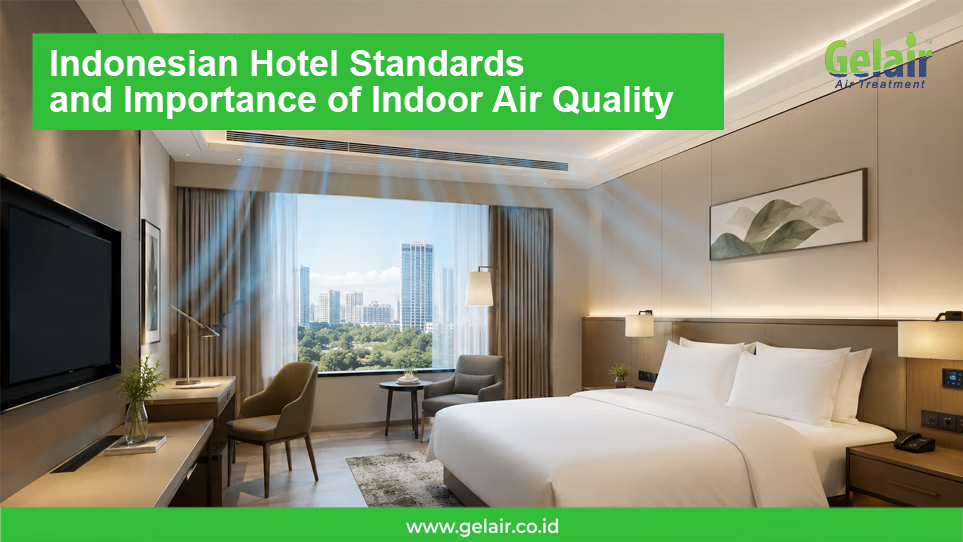
Today’s hospitality industry is no longer judged solely by attractive interior design or luxurious facilities. Modern travelers increasingly consider cleanliness, environmental health, and Indoor Air Quality (IAQ) as key factors in their overall guest experience. As awareness of health and hygiene continues to grow, many guests evaluate the following aspects before choosing a hotel:
- Clean guest rooms and public areas
- Proper air circulation
- Fresh air free from unpleasant odors
- Effective indoor air quality management
- Well-maintained HVAC systems
- Implementation of CHSE (Cleanliness, Health, Safety, and Environmental Sustainability) standards
For hotels, maintaining cleanliness is no longer just an operational requirement—it has become a critical factor in building guest trust and satisfaction.
Indonesian Hotel Standards and CHSE Implementation
Hotel standards in Indonesia are designed to ensure service quality and guest comfort through proper management practices. One approach increasingly adopted within the hospitality industry is CHSE (Cleanliness, Health, Safety, and Environmental Sustainability), which includes:
Cleanliness, This covers:
- Guest room cleanliness
- Public areas
- Restaurants
- Ventilation systems
- HVAC systems
Health, This includes:
- Sanitation practices
- Air circulation
- Indoor Air Quality (IAQ) management
Safety, This includes:
- Safety procedures
- Operational risk management
Environmental Sustainability, This includes:
- Energy efficiency
- Environmental management
- Healthy building systems
Why Indoor Air Quality (IAQ) Is Critical in Hotels
Hotel guests spend most of their time indoors, including:
- Guest rooms
- Lobbies
- Meeting rooms
- Restaurants
- Fitness centers
- Hallways and corridors
When indoor air quality is poor, guests may experience discomfort such as:
- Nasal congestion
- Eye irritation
- Coughing
- Headaches
- Stuffy indoor environments
- Unpleasant odors
While many hotels focus on cleaning visible surfaces, indoor air itself requires dedicated attention and management.
Excess Humidity Causes Musty Odors and Promotes Mold Growth
One of the most common challenges in hotel buildings is excessive humidity. High humidity can create musty odors, particularly in areas with insufficient airflow. These conditions may also increase the risk of:
- Mold growth
- Dust accumulation
- Bacterial contamination
- Microorganisms
- Biofilm formation
HVAC components that are particularly vulnerable to moisture accumulation include:
- Evaporator coils
- Drain pans
- Air ducts
- Air filters
These areas can become environments that support contaminant growth if not properly maintained. Beyond affecting guest comfort, these conditions may also reduce HVAC system performance and efficiency.
The Importance of HVAC Maintenance and AC Cleaner Solutions in Hotels
Routine HVAC maintenance plays a vital role in supporting hotel cleanliness and indoor air quality.
The use of AC Cleaners and regular maintenance procedures can help:
- Remove accumulated dust
- Reduce dirt buildup on AC coils
- Maintain cooling performance
- Support better Indoor Air Quality (IAQ)
- Reduce the risk of mold and microorganism growth
A clean HVAC system can also contribute to improved energy efficiency and lower operational costs.
Gelair: Supporting Better Indoor Air Quality in Hotels
In addition to routine maintenance and AC cleaning programs, hotels may consider supplementary solutions to support indoor air quality management. Gelair is a solution designed to help support HVAC cleanliness and Indoor Air Quality (IAQ) management in commercial buildings, including hotels. Gelair utilizes technology based on Tea Tree Oil, a natural ingredient widely recognized and used in various hygiene and cleanliness applications.
Potential benefits for hotel operations include:
- Helping maintain HVAC system cleanliness
- Supporting efforts to reduce the risk of mold and microorganism growth in specific HVAC areas
- Helping maintain fresher indoor air
- Assisting in reducing the potential for musty odors caused by excess humidity
- Supporting hotel cleanliness standards and CHSE initiatives
- Enhancing overall guest comfort
By maintaining better indoor air quality, hotels can create a more comfortable guest experience while protecting their brand reputation.
Conclusion
Modern hotel standards extend far beyond facilities and customer service. Cleanliness and Indoor Air Quality (IAQ) have become essential factors in delivering a superior guest experience. Issues such as mold, microorganisms, and excessive humidity that causes musty odors can negatively impact guest comfort and perceptions of cleanliness. Through proper HVAC maintenance, the use of AC cleaners, CHSE implementation, and supporting solutions such as Gelair's Tea Tree Oil technology, hotels can help create healthier, more comfortable, and higher-quality indoor environments for their guests.
Frequently Asked Questions (FAQ)
- How does CHSE relate to hotel indoor air quality? CHSE includes cleanliness and health components, which encompass proper indoor air quality (IAQ) management and environmental hygiene practices.
- Why does high humidity cause musty odors? Excess humidity can encourage the growth of mold and microorganisms, which may produce unpleasant odors and negatively affect indoor environments.
- Why are AC cleaners important for hotels? AC cleaners help maintain HVAC system cleanliness, support cooling efficiency, and contribute to improved indoor air quality.
- What are the benefits of Tea Tree Oil technology in Gelair? Gelair's Tea Tree Oil technology is used to support HVAC cleanliness and help maintain healthier indoor air quality within hotel environments.
Check the following topic link for indoor Gelair applications
https://www.gelair.co.id/en/blog/gelair-block-within-air-conditioning-unit-prevents-mold/
https://www.gelair.co.id/en/blog/gelair-all-purpose-provides-long-lasting-protection/