Can Central AC Spread Viruses and Mold - IAQ Strategies
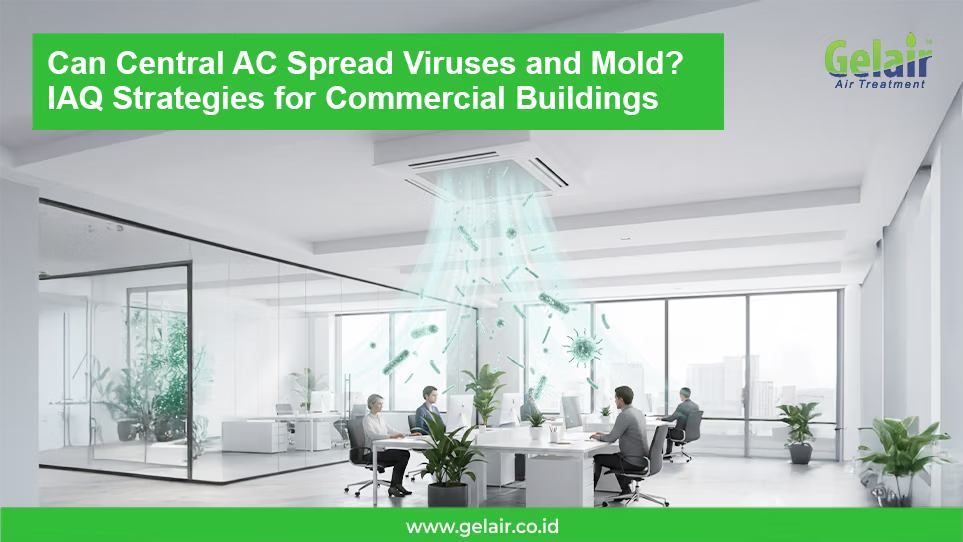
Central Air Conditioning can spread viruses and mold throughout a building if the HVAC system has limited ventilation, inefficient filtration, and high humidity. Recirculated air may carry aerosols, fine dust, bacteria, and mold spores through duct networks into multiple rooms. For this reason, indoor air quality IAQ has become a critical factor in the management of modern commercial buildings.
How Can Central AC Spread Viruses and Mold?
Central air conditioning operates on an air recirculation principle:
- Air from rooms is drawn back into the HVAC system
- The air is cooled as it passes through the cooling coil
- The air is redistributed through the duct network
If filtration is inefficient, fresh air supply is limited, and humidity is not properly controlled, microscopic particles such as viral aerosols and mold spores can spread to other areas within the same system. In high occupancy buildings such as hotels shopping malls and offices this may affect:
- Guest and employee comfort
- Musty odors and excess humidity
- Mold growth within the HVAC system
- Health standards and property reputation
Factors That Trigger Mold Growth in HVAC Systems
Mold growth in HVAC systems is typically caused by a combination of factors:
- Humidity above sixty percent
- Condensation on cooling coils
- Filters that are not replaced regularly
- Insufficient fresh air ventilation
- Infrequent duct maintenance
In tropical climates such as Indonesia high humidity increases the risk of condensation and creates ideal conditions for microbial growth.
IAQ Is Not Just Cooling but Air Control
Effective indoor air quality management includes:
- High efficiency air filtration
- Adequate fresh air supply
- Consistent humidity control
- Routine duct inspection and maintenance
- Control of microbial growth
Without a comprehensive approach central air conditioning only regulates temperature not air quality.
Modern IAQ Strategies for Hotels Malls and Office Buildings
Many commercial buildings now apply layered strategies to reduce the risk of virus and mold spread through central air systems:
- HVAC system optimization
- Regular air quality audits
- Monitoring of particles and humidity
- Integration of additional air treatment solutions
These measures do not replace existing AC systems but strengthen overall IAQ management
The Role of Supporting Solutions Such as Gelair Air Treatment
In modern IAQ strategies additional air treatment solutions are used as supporting systems to help:
- Reduce bacterial and mold growth in air circulation systems
- Maintain stable indoor air quality
- Support healthier indoor environments
- Strengthen a building’s health focused positioning
This approach is increasingly relevant for hotels premium offices and shopping centers seeking higher comfort standards and public trust.
Why Indoor Air Quality Adds Business Value
Buildings with well managed IAQ can achieve:
- Higher guest satisfaction
- Improved employee productivity
- Reduced complaint risks
- Strong long term reputation
Clean air is now part of modern operational standards rather than an optional feature.
Time to Evaluate Your Central AC and IAQ System
If central air conditioning is the backbone of your building IAQ evaluation should be a priority. Key questions to consider:
- Is fresh air supply adequate
- Is humidity stable within forty to sixty percent
- Does the HVAC system include microbial control strategies
- Are air quality audits performed regularly
A comprehensive approach today can prevent future health comfort and reputation risks.
FAQ Central Air Conditioning and Mold Prevention in HVAC Systems
Does central AC spread viruses and mold ?
Central AC can spread viruses and mold if ventilation is limited filtration is inefficient and humidity is high. Recirculated air can carry aerosols and mold spores throughout a building.
How can mold be prevented in HVAC systems ?
Mold can be prevented by maintaining humidity between forty and sixty percent improving fresh air supply using high efficiency filters and performing regular duct maintenance.
Why does high humidity trigger mold in central AC ?
Humidity above sixty percent causes condensation on coils and ducting creating ideal conditions for mold growth.
Is duct cleaning alone enough to prevent mold ?
Duct cleaning helps but is not sufficient without humidity control and proper ventilation. Prevention requires a comprehensive IAQ strategy.
What is the ideal humidity level for commercial buildings ?
The recommended humidity range is forty to sixty percent to prevent mold growth and maintain occupant comfort.
"Check the following topic link for the application of using Gelair in HVAC systems."