Sick Building Syndrome: When Buildings Silently Make You Sick
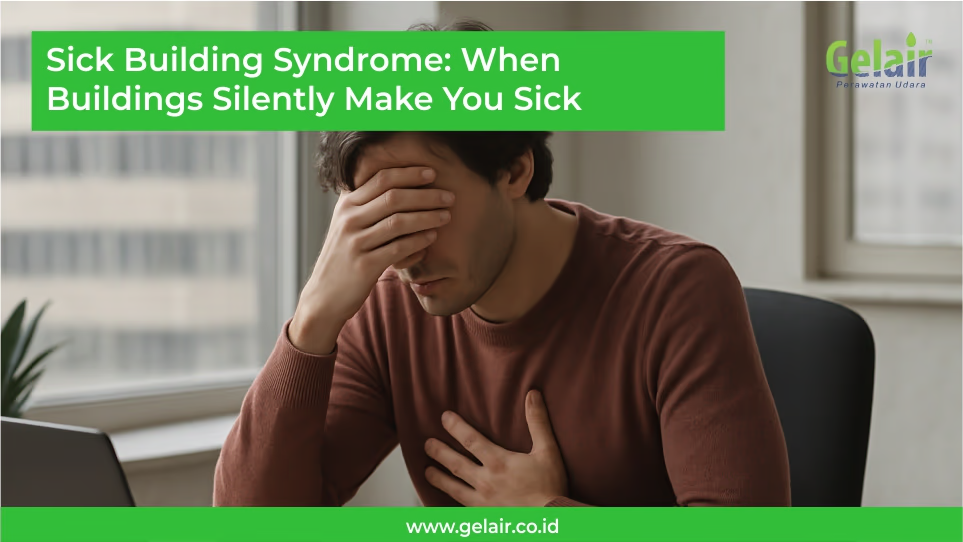
Have you ever felt dizzy, tired, had sore eyes, or had a dry throat while in an office or a particular room, but when you left, you immediately felt better? If so, you may be experiencing something called Sick Building Syndrome (SBS).
This phenomenon is often dismissed as trivial, yet its impact can be significant. Not only is it uncomfortable, but it can also reduce productivity and even worsen long-term health.
What is Sick Building Syndrome?
Sick Building Syndrome (SBS) is a condition in which people who spend time in a building experience medically unexplained physical and mental symptoms that usually disappear after they leave the building. Symptoms of SBS can include:
- Unexplained headache
- Dizziness or nausea
- Sore or dry eyes
- Itchy throat or mild cough
- Dry or itchy skin
- Difficulty concentrating or feeling very tired
Main Causes of SBS
SBS can arise from a variety of factors, and often a combination of them. Here are some of the most common causes:
- Poor Ventilation
Modern buildings often rely on closed air conditioning systems without natural ventilation. This causes indoor air to become trapped, preventing pollutants from escaping. - Indoor Air
Pollutants From dust and cigarette smoke to chemicals from wall paint, furniture, printers, new carpets, and even room fragrances, all of these can produce harmful VOCs (Volatile Organic Compounds). - Mold and Humidity
Damp conditions and poor air circulation can trigger the growth of mold or bacteria hidden in ceilings, vents, or carpets. - Uncomfortable Temperature and Lighting
Air conditioning that's too cold, lighting that's too dim or too bright—all of these can trigger sensory stress that worsens symptoms. - Environmental Stress
Non-physical factors such as noise, work pressure, or an un-ergonomic work environment can also exacerbate SBS symptoms.
Why is SBS Dangerous?
Because the symptoms aren't always immediately serious, many people ignore it. But if left untreated, SBS can cause:
- Decreased concentration and work performance
- Increased absenteeism
- Risk of long-term respiratory illness
- Psychological stress
For companies, SBS isn't just about employee health—it's also about productivity and operational costs.
How to Reduce and Prevent SBS
For Building Occupants:
- Open windows whenever possible, especially in the morning.
- Use indoor plants such as snake plant or pothos to help absorb pollutants.
- Drink enough water to maintain body moisture.
- Go outside regularly for fresh air.
For Building Managers:
- Improve natural or mechanical ventilation systems.
- Regularly clean and check air conditioners and air filters.
- Use low-VOC materials in renovations or decorations.
- Regularly monitor indoor air quality with an air quality monitor.
Gelair Air Treatment prevents Sick Building Syndrome by improving indoor air quality through the HVAC system. Gelair was established on a Tea Tree plantation in northern New South Wales in 1998. Gelair Air Treatment uses Tea Tree Essential Oil as a natural antiseptic to combat and prevent various types of fungi, bacteria, viruses, proven effective in controlling Golden Staph (Staphylococcus aureus) for strains resistant to Methicillin (MRSA) and Vancomycin (VRSA).
Gelair Air Treatment provides a SOLUTION in preventive measures against Sick Building Syndrome to comply with Minister of Health Regulation No. 48 of 2016.
https://www.gelair.co.id/en/blog/preventing-sick-building-syndrome-or-sbs-in-office-building/
Check the following topic link for the application of using Gelarir in HVAC systems.
https://www.gelair.co.id/en/blog/gelair-block-within-air-conditioning-unit-prevents-mold/
Healthy Buildings, Happy Occupants
Indoor health is as important as any other healthy lifestyle. In the post-pandemic era, where we spend so much time indoors—whether at home, school, the office, or coworking spaces—maintaining healthy air and a healthy work environment is no longer an option, but a necessity.