Maintaining Indoor Air Quality During Volcanic Ashfall Exposure
Volcanic Ash and the Dangers of Dirty Air: How to Maintain Air Quality with Gelair
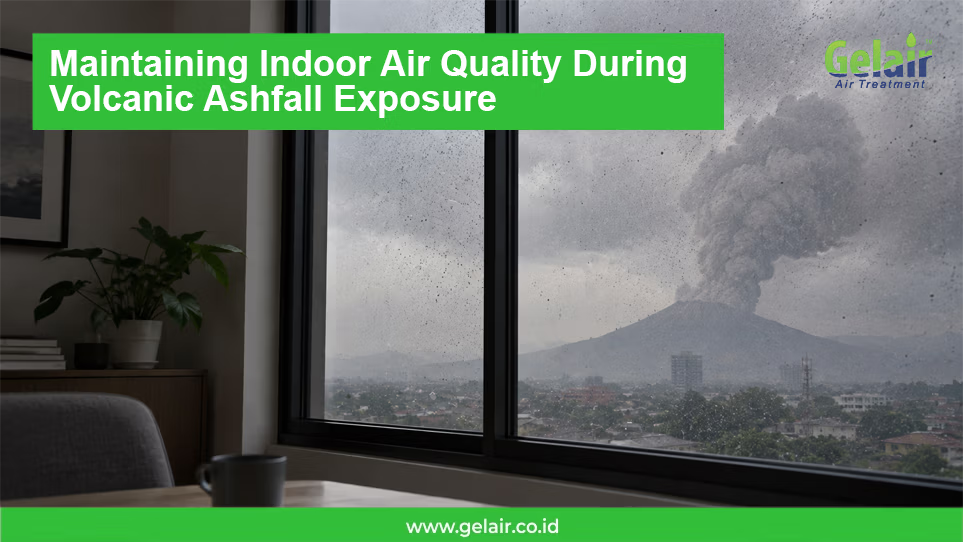
Volcanic eruptions can cause various impacts on the environment and health. One of the most critical hazards to watch out for is volcanic ash carried by the wind, which pollutes the air. Extremely small ash particles can enter homes, offices, schools, vehicles, and various other enclosed spaces.
This condition causes indoor air quality to deteriorate as well. Even when doors and windows are closed, outdoor particles can still enter through building crevices, ventilation systems, people moving in and out of the room, or carried in on clothing and footwear.
In situations like this, maintaining indoor air cleanliness becomes an important part of protection efforts. In addition to taking preventive measures against ash entry, using Gelair Air Treatment can serve as a supporting solution to help maintain indoor air quality.
What Are the Dangers of Volcanic Ash to Air Quality?
Volcanic ash is not just ordinary dust. Volcanic ash consists of rock particles, minerals, and other volcanic materials that can be extremely small. When airborne, these particles can be inhaled and cause various health issues, especially for people sensitive to air quality.
Some problems that may arise include:
- Irritation of the nose and throat.
- Coughing and discomfort when breathing.
- Stinging or irritated eyes.
- Stuffy or runny nose.
- Poor indoor air quality.
- Dust and particles settling on various surfaces.
- People with certain respiratory conditions experiencing more severe symptoms.
Therefore, during ashfall or exposure to volcanic ash, the public needs to pay attention to air quality, especially in indoor spaces used for long periods of activity.
Why Can Volcanic Ash Get Indoors?
Many people assume that staying indoors automatically protects them from volcanic ash exposure. In reality, outdoor particles can still enter through various pathways.
Ash can enter through:
- Gaps in doors and windows : Wind-borne particles can enter through small gaps in the building structure
- Ventilation systems : Outdoor air entering through ventilation systems can bring dust and particles into the room
- In and out activities : Ash can cling to clothing, shoes, bags, or other items that are then brought indoors.
- Settled dust : Ash that has entered and settled on floors or surfaces can become airborne again due to human activity, fans, or airflow.
For this reason, maintaining clean air involves not only cleaning surfaces but also paying attention to the condition of the indoor air.
How to Maintain Air Quality During Volcanic Ash Events
When exposed to volcanic ash, several important steps can be taken to reduce exposure.
- Reduce the ingress of polluted outdoor air : If outdoor conditions are filled with ash, avoid opening doors and windows frequently. Ensure gaps that allow dust entry are properly sealed.
- Use appropriate respiratory protection : When you must be in an ash-exposed area, use a mask or respirator suitable for the conditions and recommended by local health authorities. Respiratory protection remains an essential step and cannot be replaced by indoor air treatment products.
- Clean up ash properly : Avoid sending ash back into the air. Cleaning must be done carefully so that settled particles do not re-enter the air.
- Pay attention to the AC system : Air conditioning can help provide indoor comfort, but the condition of AC filters and components must be checked. Dirty filters or an unmaintained system can worsen indoor air conditions.
- Use air treatment solutions : Besides reducing contamination sources and performing cleanups, air treatment can be part of a strategy to maintain indoor air quality.
This is where Gelair Air Treatment can be used as a supporting solution.
Gelair Air Treatment to Help Maintain Air Quality
Gelair Air Treatment is an air treatment solution that can be applied to HVAC systems to help create a better indoor air environment.
In situations where outdoor air quality is compromised by volcanic ash, indoor air management becomes increasingly critical. Gelair can be part of air quality maintenance efforts, especially in rooms using air conditioning or HVAC systems.
The use of Gelair should be viewed as part of a comprehensive air quality management system, not as the sole protection against volcanic ash.
Steps such as blocking ash entry points, using appropriate filtration, cleaning up properly, maintaining AC systems, and following official guidance during eruptions remain necessary.
Gelair Coil Duct: A Solution for HVAC Systems
One Gelair product that can be applied to HVAC systems is Gelair Coil Duct.
Application to the coil and duct areas can be part of an HVAC system maintenance strategy. A clean and well-maintained HVAC system is vital because the air passing through it will be redistributed into indoor areas.
With proper maintenance, the HVAC system can operate more optimally and support more comfortable indoor air conditions.
However, during volcanic ash exposure, HVAC filters still need to be inspected and cleaned or replaced according to the conditions and system recommendations. Gelair Coil Duct is not a replacement for filters or specialized filtration systems designed to capture volcanic ash particles.
Gelair Block for Indoor Areas
In addition to applications in HVAC systems, Gelair Block can be part of the air quality management solution for specific areas.
The use of air treatment products like Gelair Block can help support the maintenance of the indoor air environment, especially in areas that require attention to air quality and occupant comfort.
Product application needs to be tailored to the room's requirements and the product’s instructions for use to achieve optimal benefits.
Do Not Rely Solely on Air Treatment During Volcanic Ash Events
It is crucial to understand that air treatment is not a substitute for primary protection against volcanic ash. In the event of an eruption or ashfall, the top priority remains following information and instructions from authorities.
Key actions to keep in mind include:
- Avoiding areas declared hazardous.
- Using appropriate masks or respirators when in ash-affected areas.
- Closing doors and windows when outdoor air conditions are polluted.
- Using appropriate air filtration.
- Cleaning up ash carefully.
- Inspecting and maintaining filters and HVAC systems.
- Protecting vulnerable groups from exposure to polluted air.
- Following official guidance regarding evacuation and safety.
Thus, Gelair Air Treatment can be positioned as one component of an indoor air quality strategy alongside other protective measures.
Why Indoor Air Quality Matters
We spend most of our time indoors, whether at home, in offices, schools, business premises, or public facilities.
When air pollution occurs due to volcanic ash, outdoor air quality can drop drastically. If these particles enter buildings, the indoor environment can also suffer a decline in air quality.
Because of this, managing air quality should not only be done when conditions are already poor. AC maintenance, system cleanliness, filtration management, and air treatment should be part of routine maintenance.
Gelair Air Treatment as Part of a Clean Air Strategy
Maintaining air quality during volcanic ash events requires a comprehensive approach.
This ranges from reducing polluted air intake, using appropriate respiratory protection, keeping rooms clean, maintaining AC and HVAC systems, to using proper air treatment technology.
Gelair Air Treatment, Gelair Coil Duct, and Gelair Block can be part of an indoor air quality management strategy, with applications tailored to the specific conditions and needs of each area.
Better-managed air is not just about comfort; it is also an important part of creating a better indoor environment.
FAQ: Gelair Air Treatment and Volcanic Ash
- Can Gelair Air Treatment remove volcanic ash from the air? Gelair Air Treatment should not be positioned as a replacement for particulate filtration systems. To deal with volcanic ash, use appropriate filtration, clean up properly, and follow safety instructions from the authorities.
- Can the AC still be used during ashfall? AC usage should be adjusted based on system condition and air quality. Ensure filters and the HVAC system are in good condition, and minimize the ingress of polluted outdoor air. For specific systems, consult an HVAC technician regarding optimal operation.
- Why do AC filters need attention during volcanic ash events? Volcanic ash can increase the particulate load on filtration systems. Dirty filters can reduce airflow and make the system work harder. Therefore, filters need to be inspected and handled according to conditions and manufacturer recommendations.
- Can Gelair replace masks during ashfall? No. Gelair Air Treatment is not a replacement for personal respiratory protection equipment. When in ash-exposed areas, use appropriate respiratory protection and follow instructions from relevant authorities.
- Where can Gelair be applied? Gelair application depends on the product type and system requirements. Gelair Coil Duct can be applied to specific parts of HVAC systems, while Gelair Block can be used for air treatment needs in suitable areas according to product guidelines.
- Why is indoor air treatment important after exposure to volcanic ash? Because outdoor particles can enter and settle inside buildings. In addition to cleaning surfaces and managing entry sources, paying attention to the HVAC system and indoor air quality helps keep the indoor environment more controlled.
Conclusion
Volcanic ash can cause air quality to decline both outdoors and indoors. Ash particles entering buildings can become a problem if not handled properly.
Therefore, protection against volcanic ash exposure must be comprehensive. Reducing ash entry, using appropriate masks or respirators, keeping rooms clean, maintaining filters and AC systems, and using air treatment solutions can complement one another.
Gelair Air Treatment is available as a supporting solution to help manage indoor air quality. With proper application combined with suitable filtration systems and safety procedures, air quality management can be achieved more optimally, especially when the environment is facing volcanic ash exposure.